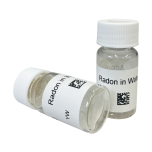
A radon in water test measures the concentration of radon gas dissolved in your household water. This is especially important for homes with private wells, as underground water can naturally contain elevated radon levels. Testing helps determine whether your water may contribute to radon exposure when showering, cooking, or drinking.
Use a tap that delivers water directly from the well line. Avoid filtered or aerated faucets. A kitchen or bathroom cold-water tap (with the aerator removed) is usually ideal. Testing more than one source is recommended to get a complete overview of radon levels.
The EPA recommends mitigation if your water contains 4,000 pCi/L or higher. However, even lower levels may contribute to elevated indoor radon and should be monitored.
Yes. If your water test is high, it’s wise to also test radon in air to understand your overall household exposure. You can find both short term and long term radon in air tests at our online store.
Common solutions include aeration systems or Granular Activated Carbon (GAC) systems. A radon mitigation professional can help determine the best option based on your test results.